Sustainability Mission
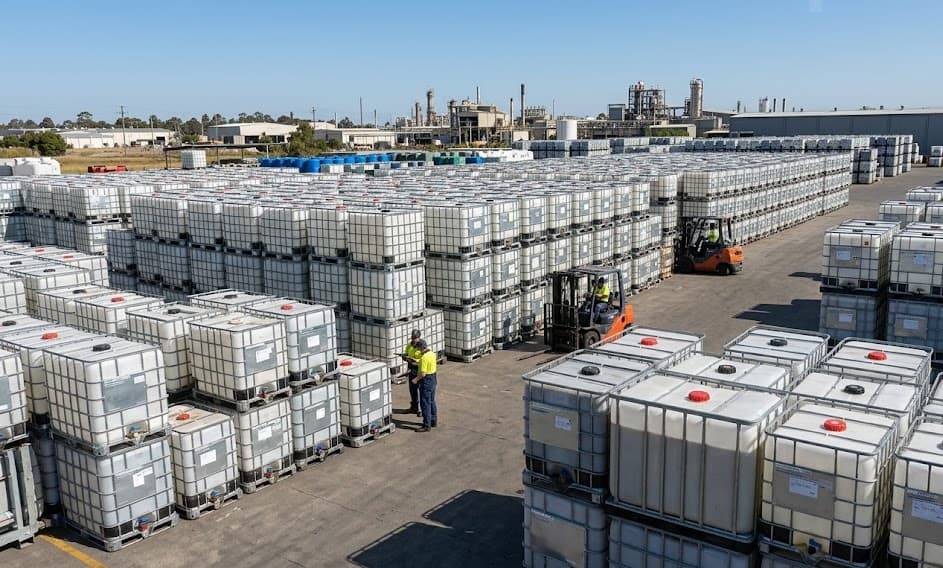
We believe every IBC tote deserves more than one life. Our circular approach keeps materials productive, reduces waste, and protects the environment.
Get a Free Quote
The Problem We Solve
An intermediate bulk container is built to last for years, yet most IBC totes are discarded after a single use cycle. A standard 275-gallon IBC tote contains approximately 30 pounds of high-density polyethylene, 50 pounds of galvanized steel, and a wooden or composite pallet. When that container goes to a landfill, all of those recoverable materials are permanently lost.
Multiply that by the tens of thousands of IBC totes used and discarded across Ohio each year, and the scale of the problem becomes clear. Cleveland IBC Recycling exists to break that linear pattern and replace it with a circular model where containers are reused, reconditioned, and recycled rather than thrown away.
IBC Totes Diverted from Landfills Annually
Tons of Plastic Kept in Circulation per Year
Tons of Steel Recycled or Reused per Year
Totes Sent to Landfill (Zero-Waste Commitment)
Every Tote Matters
It is easy to think of a single IBC tote as a small thing. But when you look at the environmental cost of manufacturing a new container versus reconditioning an existing one, the per-unit impact is substantial.
Impact Per Single Tote Reconditioned
The Math Scales Quickly
At our current processing volume of 5,000+ totes per year, the cumulative impact is significant. Here is what our annual operations prevent:
of HDPE kept in productive use
of steel recycled or reused
of CO2 emissions prevented
of water conserved
of energy saved
of landfill space preserved
Your Sustainability Report
We provide detailed recycling documentation for every customer. If your company reports ESG metrics, participates in sustainability audits, or simply wants to track its environmental footprint, we can supply the data you need. Every tote we process for you is tracked with material disposition records showing exactly how the container was handled.
Our Circular Process
Every step in our workflow is designed to extract the maximum useful life from each container before recovering its raw materials.
Source & Collect
We collect used IBC totes from manufacturers, distributors, farms, and chemical processors across Ohio. Our scheduled pickup routes minimize transportation emissions while ensuring reliable service.
Inspect & Grade
Every tote receives a thorough multi-point inspection. We assess the HDPE bottle for cracks and UV degradation, check the steel cage for structural integrity, test valves and gaskets, and grade each unit for its highest and best reuse.
Clean & Recondition
Totes that pass inspection enter our triple-rinse, high-pressure cleaning process. We use biodegradable detergents, capture and treat all wash water, and restore containers to meet food-grade or industrial-grade standards.
Reuse & Redistribute
Reconditioned totes re-enter the market at 40-60% less than new container prices, giving businesses an affordable, sustainable option. Each reuse cycle offsets the carbon and resource cost of manufacturing a new container.
End-of-Life Recycling
When a tote reaches the end of its usable life, we dismantle it for material recovery. HDPE is granulated for reprocessing, steel cages go to metal recyclers, and wooden pallets are chipped for mulch or biomass. Nothing is wasted.
Inside Our 8-Step Reconditioning Process
Here is exactly what happens when an IBC tote arrives at our facility. Transparency is core to our operation � we want you to know precisely how your containers are handled.
Receiving & Logging
Every tote arriving at our facility is logged into our tracking system. We record the source, date, external condition, and any labeling that indicates previous contents. This creates an auditable chain of custody from the moment the tote enters our yard.
External Assessment
The steel cage is inspected for bends, rust, broken welds, and structural deformation. We check that the cage sits flush on the pallet and that all lift bars are intact. Cages that pass move forward; those that do not are separated for steel recycling.
Inner Bottle Inspection
The HDPE bottle is visually and manually inspected for cracks, warping, UV degradation (yellowing or brittleness), chemical staining, and odor retention. We use flashlights to check interior surfaces for residue buildup. Bottles with irreparable damage are sent for HDPE granulation.
Valve & Gasket Testing
The 2-inch butterfly valve and 6-inch fill cap are tested for seal integrity. We check thread condition, lever function, and gasket compression. Worn valves and gaskets are replaced with new components � we never ship a tote with a questionable seal.
Pre-Rinse
Totes are pre-rinsed with warm water to remove loose particulate matter and bulk residue. The pre-rinse water is captured and routed through our water treatment system. This step ensures the main wash cycle is maximally effective.
Primary Wash
Our high-pressure wash system applies 1,500+ PSI of heated water mixed with biodegradable, food-safe detergent to all interior and exterior surfaces. The wash cycle runs for a minimum of 8 minutes per tote, with extended cycles for totes that previously held viscous or strongly-scented materials.
Sanitization Rinse
A final rinse with clean water removes all detergent residue. Totes designated for food-grade applications receive an additional sanitization treatment using FDA-compliant agents. After the final rinse, totes are inverted and air-dried to prevent water retention.
Grading, Labeling & Staging
Each tote is assigned a grade (A through C) based on its overall condition. Grade labels are applied with cleaning documentation. Totes are staged in our inventory area by grade and type, ready for sale or delivery. The entire process from intake to sale-ready typically takes 24-48 hours.
Material Recovery Rates
When an IBC tote reaches true end-of-life and cannot be reconditioned, we disassemble it completely and send each material to the appropriate recycling stream. Here is how we account for every pound.
| Material | Weight Per Tote | Recovery Rate | Destination |
|---|---|---|---|
| HDPE (Inner Bottle) | ~30 lbs per tote | 98% | Granulated for reprocessing into new plastic products, drainage pipe, and construction materials |
| Galvanized Steel (Cage) | ~50 lbs per tote | 100% | Domestic steel recyclers � melted and reforged into new steel products |
| Wood (Pallet) | ~25 lbs per tote | 95% | Chipped for landscape mulch, biomass fuel, or reconditioned as replacement pallets |
| Rubber/Silicone (Gaskets) | ~0.5 lbs per tote | 85% | Collected and sent to specialty rubber recyclers or energy-from-waste facilities |
| Polypropylene (Valve Body) | ~1 lb per tote | 90% | Collected with HDPE stream or sent to polypropylene-specific recyclers |
| Labels & Adhesives | Minimal | N/A | Removed during cleaning, captured in wash water filtration system |
Our aggregate material recovery rate across all components exceeds 97%. The small remainder consists primarily of non-recyclable adhesive residue and contaminated label stock, which is processed through energy-from-waste facilities rather than sent to landfill.
Recycled vs. Virgin HDPE Manufacturing
The environmental case for reconditioning IBC totes � and recycling the HDPE when they reach end-of-life � becomes clear when you compare the manufacturing footprint.
| Metric | Virgin HDPE (30 lbs) | Recycled HDPE (30 lbs) | Savings |
|---|---|---|---|
| Petroleum Required | 3.5 gallons crude oil | 0 gallons | 100% |
| Energy Consumption | 340 kWh | 75 kWh | 78% |
| CO2 Emissions | 120 lbs | 18 lbs | 85% |
| Water Usage | 180 gallons | 50 gallons | 72% |
| Processing Temperature | 400-500F (extrusion) | 320-400F (reprocessing) | Lower energy |
| Production Time | 4-6 weeks (supply chain) | 1-2 weeks (local) | Faster turnaround |
| Landfill Impact | 0 (new product) | -14 cu ft diverted | Net positive |
These figures demonstrate why reuse is the first priority in our process. Reconditioning an IBC tote for another fill cycle eliminates 100% of the manufacturing footprint. Even when a tote reaches end-of-life and must be recycled, the environmental cost of reprocessing recovered HDPE is dramatically lower than producing virgin plastic from petroleum feedstock.
Water Conservation
Cleaning IBC totes requires significant water. Our triple-rinse process uses approximately 40 gallons of water per tote when run on fresh water alone. At 5,000 totes per year, that would mean 200,000 gallons of fresh water annually � an unacceptable figure for a company committed to environmental stewardship.
In 2022, we installed our first closed-loop wash water recycling system. This system captures all rinse water, filters it through a multi-stage treatment process (sediment filtration, activated carbon, UV disinfection), and returns clean water to the wash bay for reuse. The result: a 40% reduction in fresh water consumption in the first year of operation.
Phase 2 of our water recycling system is currently in development and scheduled for installation in 2026. This upgrade will add reverse osmosis treatment and increase our reclamation rate to 60%. By 2027, our target is 70% � meaning we will use less than 60,000 gallons of fresh water annually to process over 5,000 totes.
All wash water that is not recycled is treated to meet or exceed Ohio EPA discharge standards before release. We test discharge quality monthly and maintain records available for customer and regulatory review.
Zero-Waste Goals
Since 2019, Cleveland IBC Recycling has operated under a zero-landfill commitment. That means every IBC tote we receive is processed through one of three paths: direct reuse (cleaning and resale), component reconditioning (replacing worn parts and returning the tote to service), or full material recycling (separating HDPE, steel, and wood for dedicated recycling streams).
Zero waste is not just a marketing phrase for us. We track material flows for every tote that enters our facility, and we can account for where each component ends up. This transparency is something we offer our customers as well, providing documentation of how their containers were processed for use in their own sustainability reporting.
Looking ahead, we are working toward net-positive water use at our cleaning facility by investing in closed-loop wash water recycling systems. Our goal is to reduce fresh water consumption by 70% by the end of 2027.
Energy Savings Calculations
Manufacturing a new 275-gallon HDPE IBC bottle from virgin material requires approximately 340 kWh of energy � enough to power an average American home for 11.5 days. When we recondition a tote for another use cycle, that entire energy expenditure is avoided.
Petroleum Extraction
HDPE is derived from ethylene, which comes from petroleum or natural gas. Producing 30 lbs of virgin HDPE requires roughly 3.5 gallons of crude oil. Reconditioning eliminates this demand entirely.
Polymerization & Extrusion
Converting ethylene gas into HDPE resin and then blow-molding it into an IBC bottle consumes approximately 200 kWh per unit. This is the most energy-intensive stage of new container manufacturing.
Steel Cage Production
Fabricating the galvanized steel cage requires mining iron ore, smelting, rolling, welding, and galvanizing. Total energy: approximately 90 kWh per cage. Reusing the cage bypasses all of this.
Transportation to Market
New IBC totes are typically manufactured in centralized plants and shipped hundreds or thousands of miles. Our reconditioned totes are processed locally, cutting transit energy by 70-90%.
Our Reconditioning Energy Use
Our cleaning and reconditioning process uses approximately 15 kWh per tote � for water heating, pressure washing, and facility operations. That is a 96% energy reduction compared to new manufacturing.
Fleet Efficiency
We optimize our pickup and delivery routes weekly to minimize fuel consumption. Our average truck runs 85% full on every trip, ensuring we move the maximum number of totes per gallon of diesel.
Certifications & Standards
We hold ourselves to the highest regulatory and industry standards to ensure every reconditioned tote is safe, clean, and ready for its next use.
EPA Compliance
All cleaning and reconditioning processes comply with EPA guidelines for container reuse. Our wash water capture and treatment systems meet or exceed discharge standards, and we maintain detailed records for every container processed.
OSHA Safety Standards
Our facility follows OSHA workplace safety regulations. Staff receive regular training on chemical handling, equipment operation, and proper PPE use. A safe workplace is the foundation of a sustainable operation.
Food-Grade Protocols
Totes designated for food-contact or potable-water use go through additional sanitization steps. We follow FDA-aligned best practices for container preparation, ensuring our reconditioned totes meet the standards required by food processors and agricultural operations.
Responsible Recycling
Materials that cannot be reused are sent to vetted, domestic recycling facilities. We do not export waste or use offshore processing. Every material stream stays within a traceable, responsible chain of custody.
DOT Container Standards
IBC totes that carry hazardous or regulated materials must meet Department of Transportation standards. We verify UN markings, test structural integrity, and ensure that containers sold for regulated applications meet all applicable DOT requirements.
Ohio EPA Registered Facility
Our Willoughby facility is registered with the Ohio Environmental Protection Agency as a container processing and recycling operation. We comply with all state-level environmental regulations including waste tracking, water discharge, and air quality standards.
Future Sustainability Goals
Our sustainability journey is ongoing. Here is our roadmap for the next five years, with specific targets and timelines we hold ourselves accountable to.
Reduce fresh water consumption by 60% through Phase 2 of our closed-loop wash water recycling system
Achieve 70% fresh water reduction target � net-positive water use at our cleaning facility
Install solar panels on facility roof to offset 30% of electricity consumption
Process 10,000 totes annually � double our current volume through efficiency gains
Launch an IBC tote take-back partnership program with 3+ Ohio municipalities
Achieve carbon-neutral facility operations through a combination of renewable energy, route optimization, and verified carbon offsets
Expand processing infrastructure to support the reconditioning of composite-pallet IBC totes, further reducing wood waste
Community Environmental Programs
Sustainability does not stop at our facility gate. We actively participate in and sponsor programs that extend environmental benefits to the broader Cleveland community.
- Rain Barrel Donation Program
We convert end-of-life IBC totes into rain collection barrels and donate them to community gardens, school gardens, and urban farms across Greater Cleveland. Each barrel captures 275 gallons of rainwater, reducing storm runoff and municipal water demand.
- Lake Erie Watershed Protection
We participate in seasonal shoreline and watershed cleanup events along Lake Erie and its tributaries. As a company that handles industrial containers, keeping plastics and contaminants out of our waterways is personally and professionally important to our team.
- Recycling Education Outreach
Our team provides free educational sessions to local businesses, schools, and community organizations about industrial recycling, the circular economy, and practical steps for reducing packaging waste. We have reached over 500 students and 50 businesses since launching this program in 2021.
- Small Farm Discount Program
Family-run and small-acreage farms in Lake, Geauga, and Ashtabula counties receive discounted pricing on reconditioned IBC totes. Affordable bulk liquid storage helps small farmers compete while supporting sustainable agriculture practices.
Carbon Footprint: How We Track It
We calculate our operational carbon footprint annually using a scope-based framework:
- Scope 1 (Direct)
Fleet fuel consumption, facility heating. We track fuel usage per truck per route and heating fuel consumption monthly. Our fleet averages 8.5 MPG loaded, and we optimize routes to minimize empty miles.
- Scope 2 (Indirect Energy)
Electricity for our facility, water heating, pressure wash systems, and lighting. We are pursuing solar panels to offset 30% of this consumption by 2027.
- Scope 3 (Value Chain)
Upstream emissions from our cleaning supply chain, downstream emissions from tote transport by customers. We work with local suppliers to minimize supply-chain miles and provide pickup/delivery to reduce customer transport.
Our net carbon impact is strongly negative � the emissions we prevent by keeping totes out of manufacturing and landfill far exceed our operational emissions. We estimate a net avoidance of 250+ tons of CO2 annually after accounting for all operational emissions.
Join the Circular Economy
Every IBC tote you recycle or purchase reconditioned is one less container in a landfill and one less new container that needs to be manufactured. Whether you are looking to buy affordable reconditioned totes, sell your used inventory, or set up a recurring recycling program, we are ready to help you close the loop.