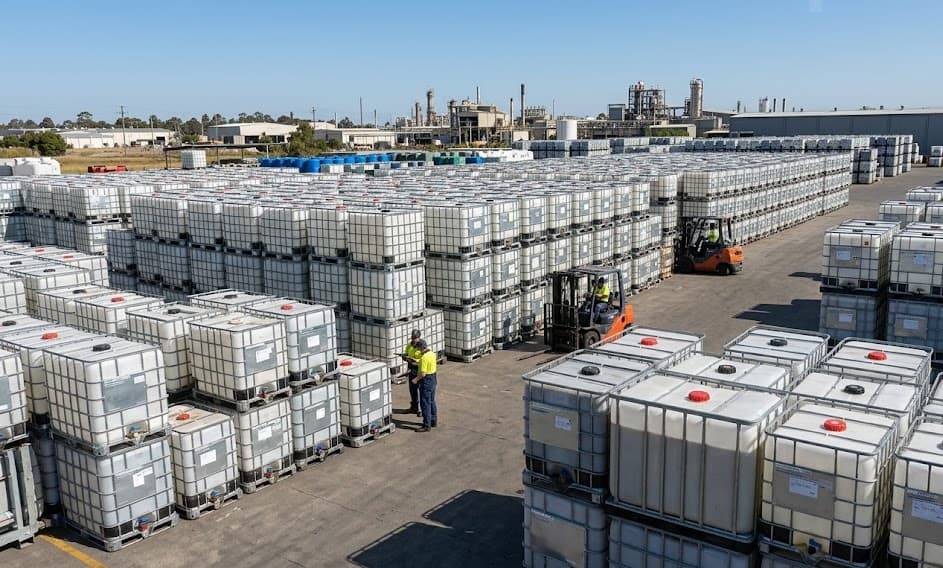
Food & Beverage IBC Totes
FDA-compliant food-grade IBC totes with rigorous cleaning protocols to keep your products safe, uncontaminated, and fully traceable.
Get a Free Quote
Ohio Food Industry by the Numbers
Ohio is a powerhouse in food and beverage manufacturing, ranking among the top states nationally in food processing output. The state is home to major food companies and thousands of smaller producers, all of whom rely on safe, compliant bulk containers for ingredients and finished products. Cleveland IBC Recycling serves food producers of every size throughout the state.
Food manufacturing facilities in Ohio
Ohio ranks 3rd in food processing nationally
Annual food & beverage industry output
Direct food manufacturing jobs statewide
Largest producer of Swiss cheese in the U.S.
Share of Ohio manufacturing from food sector
FDA 21 CFR Compliance Details
The food and beverage industry operates under some of the strictest regulatory requirements of any sector. IBC totes used for food-contact applications must comply with FDA 21 CFR standards for indirect food additives, ensuring that the container materials do not leach harmful substances into the product. At Cleveland IBC Recycling, our food-grade totes are sourced exclusively from verified food-industry supply chains. We track the prior contents of every tote we sell and never cross-contaminate food-grade containers with industrial chemicals.
Indirect Food Additives: General
This regulation establishes the framework for substances used in food-contact articles that may indirectly become components of food. IBC tote materials must be listed as safe for food contact and must not contribute unsafe levels of substances to food products stored within them.
Indirect Food Additives: Polymers
Section 177.1520 specifically addresses olefin polymers including high-density polyethylene (HDPE), the primary material used in IBC tote inner bottles. HDPE used for food-contact applications must meet specific density, molecular weight, and extractives requirements.
Indirect Food Additives: Adjuvants
This section covers the additives used during polymer manufacturing, including antioxidants, UV stabilizers, and slip agents. All additives present in food-grade HDPE must be listed in this section as approved for food-contact use.
FSMA Requirements
The Food Safety Modernization Act (FSMA), enacted in 2011, shifted the focus of food safety regulation from responding to contamination events to preventing them. FSMA has significant implications for IBC tote management in the food and beverage industry. Here are the key rules that affect container handling.
Preventive Controls for Human Food
Under FSMA, food facilities must implement a food safety plan that includes hazard analysis and risk-based preventive controls. This applies to the containers used to receive, store, and transport food products. IBC totes must be identified as potential sources of contamination, and controls must be in place to prevent, reduce, or eliminate those hazards.
Sanitary Transportation Rule
FSMA requires that carriers and shippers take steps to prevent contamination during transport. This includes using containers that are clean, in good condition, and suitable for the food being transported. IBC totes used under this rule must be inspected before loading and documented as clean and damage-free.
Foreign Supplier Verification
If food ingredients are received in IBC totes from foreign suppliers, importers must verify that those containers meet the same food safety standards as domestic containers. This includes reviewing the supplier cleaning protocols, material certifications, and traceability documentation for imported totes.
Intentional Adulteration Prevention
FSMA includes provisions for preventing intentional contamination of food products. For IBC totes, this means maintaining secure storage, using tamper-evident seals, and verifying the chain of custody for containers moving through the supply chain.
15 Food & Beverage Applications
IBC totes serve a remarkably wide range of applications across the food and beverage industry. From viscous sweeteners to delicate oils, from acidic juices to temperature-sensitive chocolates, the right tote configuration can handle virtually any liquid food product safely and efficiently.
Syrups & Sweeteners
High-fructose corn syrup, liquid sucrose, agave, and honey are routinely shipped and stored in food-grade IBC totes. The sealed, contamination-resistant design preserves sweetener quality from supplier to production line. Heated totes or blanket heaters prevent crystallization of viscous products in cooler months.
Edible Oils
Soybean oil, canola oil, olive oil, and palm oil are commonly transported in IBC totes. The HDPE inner bottle is chemically inert and does not impart flavors or odors to the product. For extra protection, food-grade polyethylene liners can be used as a single-use barrier.
Juices & Concentrates
Fruit juice concentrates, purees, and liquid flavorings travel in IBC totes from extraction facilities to bottling plants. The tote's sealed system prevents oxidation and contamination during transit, and the bottom discharge valve enables clean, measured dispensing.
Sauces & Condiments
Ketchup, mustard, barbecue sauce, soy sauce, and vinegar are all transported in food-grade totes. Viscous products benefit from the wide bottom valve and optional heating options to maintain pourability.
Wine & Spirits
Winemakers and distillers use IBC totes for bulk transport of wine, grape juice, and spirits between facilities. Food-grade totes offer a cost-effective alternative to stainless steel tanks for shorter-term storage and transport.
Dairy Products
Liquid dairy ingredients including cream, whey, and milk-based flavoring systems can be stored and moved in properly cleaned food-grade IBC totes. Temperature control and rapid turnaround are critical for dairy applications.
Liquid Chocolate & Cocoa
Chocolate manufacturers receive liquid chocolate, cocoa butter, and cocoa liquor in heated IBC totes. These products must be maintained above their melting point (typically 95-110 degrees Fahrenheit) throughout transport and storage. Heated tote blankets and insulated covers are essential for this application.
Brewing Ingredients
Craft breweries and large brewing operations receive liquid malt extract, hop oils, brewing sugars, and liquid yeast in IBC totes. The sealed transfer system prevents contamination and oxidation of sensitive brewing ingredients, improving batch consistency and reducing waste.
Egg Products
Liquid whole egg, egg whites, and egg yolks for commercial baking and food manufacturing are transported in food-grade IBC totes. These products require strict temperature control (below 40 degrees Fahrenheit) and rapid handling to maintain food safety standards.
Marinades & Brines
Meat processing facilities use IBC totes for marinades, brines, and curing solutions. The high salt content and acidic pH of these products are fully compatible with HDPE containers. The bottom discharge valve allows controlled dispensing into injection or tumbling equipment.
Coffee Extracts & Concentrates
Cold brew coffee manufacturers and instant coffee producers use IBC totes for bulk coffee extract. The sealed, light-blocking container preserves flavor compounds and prevents oxidation that degrades coffee quality.
Nutritional Supplements
Liquid vitamins, protein concentrates, and nutritional supplement base ingredients are stored and transported in food-grade IBC totes. These products require the same FDA compliance standards as food products and benefit from full traceability documentation.
Plant-Based Milk Alternatives
Soy milk, almond milk, oat milk, and other plant-based milk bases are shipped in bulk via IBC totes from processors to bottling and packaging facilities. The neutral HDPE material does not affect the delicate flavor profile of these products.
Fruit & Vegetable Purees
Tomato paste, apple sauce base, pumpkin puree, and other fruit and vegetable purees move through the supply chain in IBC totes. Viscous purees benefit from heated totes that maintain pourability and facilitate complete emptying through the bottom valve.
Water & Beverage Bases
Purified water, flavored water bases, and beverage syrups used in soft drink and sparkling water production are received and stored in food-grade IBC totes. These containers feed directly into mixing and carbonation lines at bottling plants.
Allergen Cross-Contamination Prevention
Allergen management is one of the most critical aspects of food-grade IBC tote use. The FDA identifies eight major food allergens, and cross-contact through improperly cleaned containers can trigger severe, potentially life-threatening reactions in sensitive individuals. Cleveland IBC Recycling takes allergen management seriously and provides guidance on proper container segregation and cleaning protocols.
| Allergen | Risk Level | Protocol |
|---|---|---|
| Milk & Dairy | High | Dedicated totes for dairy products. Never use a dairy tote for non-dairy applications without validated alkaline cleaning. Casein proteins can persist through basic rinses. |
| Soy | Medium | Soy oils and soy-based ingredients leave residues that require thorough alkaline washing. Test rinse water for soy protein residues using validated ELISA methods before reuse. |
| Tree Nuts & Peanuts | Very High | Dedicated nut-product totes are strongly recommended. Nut proteins are extremely allergenic and difficult to remove completely. Many food safety programs prohibit reuse of nut-product containers for other foods. |
| Wheat & Gluten | Medium | Wheat-based products (liquid starch, wheat flour slurries) leave gluten residues. Validated cleaning with alkaline detergent followed by testing with approved gluten detection kits is required before reuse. |
| Eggs | Medium-High | Egg proteins are moderately difficult to remove. Hot alkaline washing (above 140 degrees Fahrenheit) is effective. Test for egg protein using validated ELISA before reuse for non-egg products. |
| Fish & Shellfish | High | Fish and shellfish proteins can leave persistent odors and residues. Dedicated containers are recommended. If reuse is necessary, alkaline cleaning followed by multiple rinses and olfactory testing is required. |
Temperature-Sensitive Products
Many food and beverage products require temperature control during storage and transport. IBC totes can be equipped with heating blankets, insulated covers, and temperature monitoring devices to maintain product quality throughout the supply chain.
Heated IBC Blankets
Electric heating blankets wrap around the tote and maintain a consistent temperature between 80-150 degrees Fahrenheit. Essential for chocolate, coconut oil, palm oil, and other products that solidify below their melting point. Thermostatically controlled to prevent overheating.
Insulated Tote Covers
Quilted, insulated covers slip over the entire tote to maintain temperature during transport and outdoor storage. These covers slow heat loss by 60-70% compared to uncovered totes, providing a 4-6 hour temperature hold for most products during winter transit.
Cold Chain Management
Dairy products, egg products, and other perishables must remain below 40 degrees Fahrenheit. While IBC totes are not refrigerated, insulated covers and rapid logistics can maintain cold chain integrity for short transport distances. For extended cold storage, totes should be placed in refrigerated warehousing.
Temperature Monitoring
Digital temperature data loggers can be attached to IBC totes to provide continuous monitoring during transport. These devices record temperature at set intervals and provide evidence of cold chain or hot chain compliance for food safety audits and customer quality requirements.
Our 7-Step Food-Grade Cleaning Process
Every reconditioned food-grade tote from Cleveland IBC Recycling goes through our comprehensive seven-step cleaning process. This protocol ensures that containers are thoroughly sanitized, free of residues, and safe for food-contact applications. Each step is documented and traceable.
Pre-Rinse
All residual product is flushed from the tote using hot water at 140-180 degrees Fahrenheit. This initial rinse removes the bulk of any remaining contents and prepares the container for deep cleaning. Water volume used is typically 30-50 gallons per tote, ensuring thorough coverage of all interior surfaces including the valve assembly.
Alkaline Wash
A food-safe alkaline detergent solution (typically 1.5-3% concentration) is circulated through the tote at 150-170 degrees Fahrenheit for a minimum contact time of 15 minutes. This step breaks down organic residues including fats, proteins, and sugars. The wash is applied using rotating spray balls that reach every interior surface.
Acid Rinse
A food-safe acid rinse (typically phosphoric or citric acid at 0.5-1.5% concentration) neutralizes alkaline residues and removes mineral deposits. This step is essential for maintaining the integrity and smoothness of the HDPE inner bottle surface, which prevents bacterial harboring.
Final Rinse
A thorough rinse with potable water removes all chemical residues from the alkaline and acid wash steps. The rinse water is tested for pH and conductivity to verify that no detergent or acid residues remain. This step typically uses 40-60 gallons of water.
Sanitization
A final sanitizing rinse using FDA-approved sanitizers (typically peracetic acid at 100-200 ppm or chlorine dioxide at 50-100 ppm) ensures the tote is free of microbial contamination. Concentrations and contact times follow strict protocols aligned with FDA 21 CFR and FSMA requirements.
Drying & Inspection
Totes are inverted or drained to remove standing water, then air-dried in a clean environment. Each cleaned tote undergoes visual and olfactory inspection. The interior is examined for staining, scratches, or surface damage that could harbor bacteria. Valves and gaskets are checked and replaced if necessary.
Certification & Sealing
The tote is sealed with a tamper-evident cap, labeled with the cleaning date, batch number, and prior contents, and certified ready for food-grade use. A cleaning certificate is generated and stored in our tracking system for future reference and audit support.
Traceability & Documentation
Full traceability is not optional in the food and beverage industry. It is a regulatory requirement under FSMA, a customer expectation, and a business-critical capability for managing recalls and quality events. Cleveland IBC Recycling provides comprehensive documentation with every food-grade tote.
Prior Contents Record
Every food-grade tote includes documentation of exactly what was previously stored in the container. This allows your quality team to verify compatibility with your product and assess any cross-contamination risk before the tote enters your facility.
Cleaning Certificates
Each cleaning event generates a certificate documenting the date, cleaning protocol used, chemicals and concentrations applied, contact times, and the name of the technician who performed the cleaning. These certificates support your food safety plan documentation.
Inspection Reports
Visual and functional inspection results are recorded for every tote. This includes the condition of the inner bottle, cage, pallet base, valve, gaskets, and cap. Any replaced components are noted. The inspection report confirms the tote is fit for food-grade use.
Chain of Custody
From the moment a tote enters our facility to the moment it ships to your door, every handling event is logged. This chain of custody documentation provides the audit trail that food safety regulators and third-party auditors expect to see.
Material Certificates
For new virgin totes, we provide material certificates of conformance from the manufacturer. These certificates confirm that the HDPE resin meets FDA 21 CFR 177.1520 requirements and includes details on resin grade, manufacturer, and lot number.
Batch Coding System
Every tote in our food-grade inventory receives a unique batch code that links to its complete history in our tracking system. This code appears on the tote label and on all associated documentation, enabling rapid traceability in the event of a quality concern or recall.
Why Food Producers Choose Us
Dedicated Food-Grade Inventory
We maintain a separate inventory of totes exclusively for food applications. These containers never mix with chemical or industrial stock. Our food-grade storage area is segregated, clean, and inspected regularly.
Prior-Contents Documentation
Every tote comes with documentation of what it previously held. You always know the full history of the container you receive. No guessing, no ambiguity, no risk.
New & Reconditioned Options
Choose brand-new virgin totes for the most demanding applications, or professionally reconditioned food-grade totes for significant cost savings. We help you match the right grade to the right application.
Liner Compatibility
We offer food-grade polyethylene liners that create an additional barrier between your product and the container, ideal for sensitive applications or when you want to eliminate cleaning validation concerns entirely.
Audit-Ready Documentation
Our documentation packages are designed to satisfy third-party food safety auditors (SQF, BRC, FSSC 22000) and FDA inspectors. We provide everything your quality team needs for compliance, organized and easy to access.
Rapid Turnaround
We understand that food production does not wait. Most food-grade tote orders ship within 24-48 hours from our Willoughby, Ohio facility. For urgent needs, same-day pickup is often available.
Need Food-Grade IBC Totes?
Cleveland IBC Recycling provides food and beverage producers throughout Ohio with clean, certified, and fully traceable IBC totes. Contact our team to discuss your requirements, get pricing, or schedule a delivery.
We work with bakeries, breweries, beverage bottlers, dairy processors, sauce manufacturers, confectioners, and every other type of food producer in Northeast Ohio. No order is too small, and no food safety question is too detailed for our team to address.