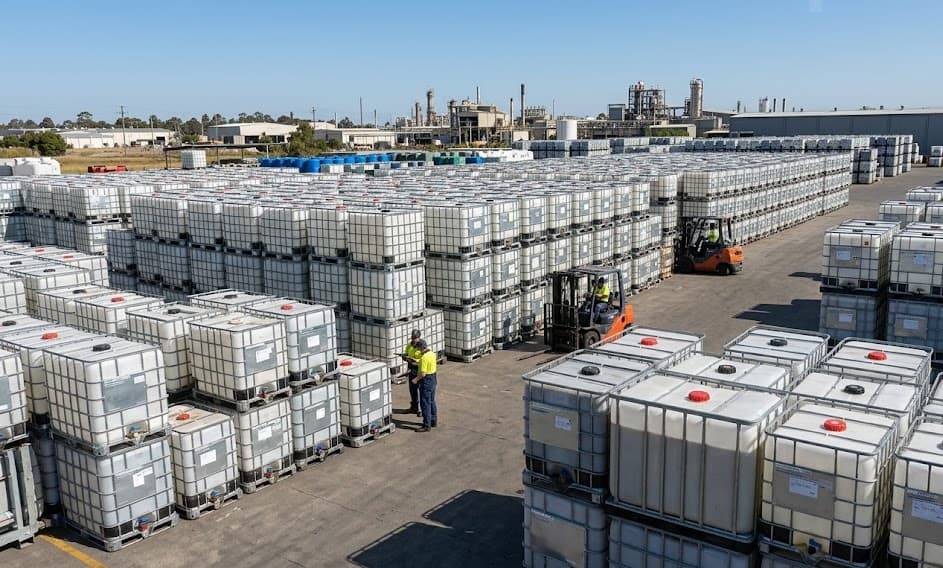
When you start shopping for used IBC totes, you will quickly encounter a grading system that categorizes containers by their overall condition. The three standard grades — A, B, and C — serve as shorthand for the cosmetic appearance, structural integrity, and prior use history of each tote. Understanding what each grade actually means can save you hundreds or even thousands of dollars on a bulk order while ensuring you get a container that is fit for its intended purpose.
Grade A totes represent the highest tier in the used IBC market. These containers have typically been used only once or twice and show minimal signs of wear. The HDPE inner bottle is clean, free of deep scratches, and retains its original translucency. The steel cage is straight, with no bent bars or significant rust, and the pallet base is solid and level. Valves and gaskets are in excellent working condition, and the tote has been thoroughly cleaned and inspected. Grade A totes are often suitable for food-grade applications after proper reconditioning, and they command a premium price that is still significantly lower than the cost of a brand-new container.
Grade B totes occupy the middle ground and represent the most popular choice for industrial and agricultural applications. These containers have seen more use than Grade A units, so you can expect some cosmetic imperfections. The inner bottle may have light staining or minor scuffs, and the cage might show surface rust or small dents in a few spots. Despite these blemishes, Grade B totes are structurally sound. They hold liquid without leaking, the valves function properly, and the pallet base supports the full weight of the container when stacked. Many businesses choose Grade B because the price-to-performance ratio is outstanding — you get a fully functional container at a fraction of the new cost, and the cosmetic flaws have zero impact on day-to-day operations.
Grade C totes are the economy option. These containers have been in circulation for multiple cycles and show it. Expect heavier staining on the inner bottle, noticeable cage damage such as bent bars or moderate rust, and potential wear on the pallet base. Grade C totes are still structurally capable of holding liquid, but they may not be appropriate for every application. They are popular for non-critical uses such as rainwater collection, non-potable water storage, agricultural irrigation, and general bulk storage where appearance and pristine condition are not requirements. The pricing on Grade C totes makes them an attractive option for budget-conscious buyers who need volume.
Beyond cosmetic condition, grading also takes into account the prior contents of the tote. A container that previously held food-grade liquids such as vegetable oil, juice concentrate, or pharmaceutical ingredients carries a different risk profile than one that held industrial chemicals, solvents, or petroleum products. Reputable suppliers like Cleveland IBC Recycling document the previous contents for every tote and match buyers with containers appropriate for their use case. If you plan to store drinking water or food products, you need a tote with a verified food-grade history, regardless of whether it is Grade A, B, or C.
The cleaning and reconditioning process also varies by grade. Grade A totes often require only a basic rinse and inspection before resale. Grade B totes typically undergo a more thorough multi-stage cleaning that includes hot water pressure washing, sanitization, and valve replacement if needed. Grade C totes may receive basic cleaning, but buyers should understand that deep staining or odor from previous contents may persist even after washing. Some suppliers offer additional cleaning services for Grade C totes at an extra charge, which can bring them closer to Grade B standards.
When deciding which grade to buy, start by defining your application. If you are storing food-grade liquids or potable water, Grade A reconditioned totes with documented food-grade history are the safest choice. If you need containers for industrial chemicals, coolants, or non-food agricultural products, Grade B totes deliver reliable performance at a lower price point. If you are building a rainwater harvesting system, setting up temporary water storage for a construction site, or repurposing totes as raised garden beds, Grade C containers will serve you well and keep costs to a minimum.
Volume buyers should also consider mixing grades within a single order. A manufacturer might purchase Grade A totes for its primary production line while using Grade B or C containers for secondary storage, waste collection, or raw material holding. This blended approach optimizes the overall cost per container while ensuring the highest-quality totes go where they matter most.
At Cleveland IBC Recycling, we grade every tote that enters our facility using a standardized inspection checklist. We photograph and document condition details, previous contents, and any repairs performed during reconditioning. This transparency means you always know exactly what you are getting, and you can order with confidence whether you choose Grade A, B, or C.
One final tip: always ask your supplier about their grading criteria. There is no universal industry standard enforced by a regulatory body, so the definition of Grade A at one supplier might correspond to Grade B at another. A trustworthy supplier will be happy to walk you through their grading process, show you sample photos, and let you inspect totes before purchase. That level of transparency is the best indicator that you are dealing with a professional operation that stands behind its product.