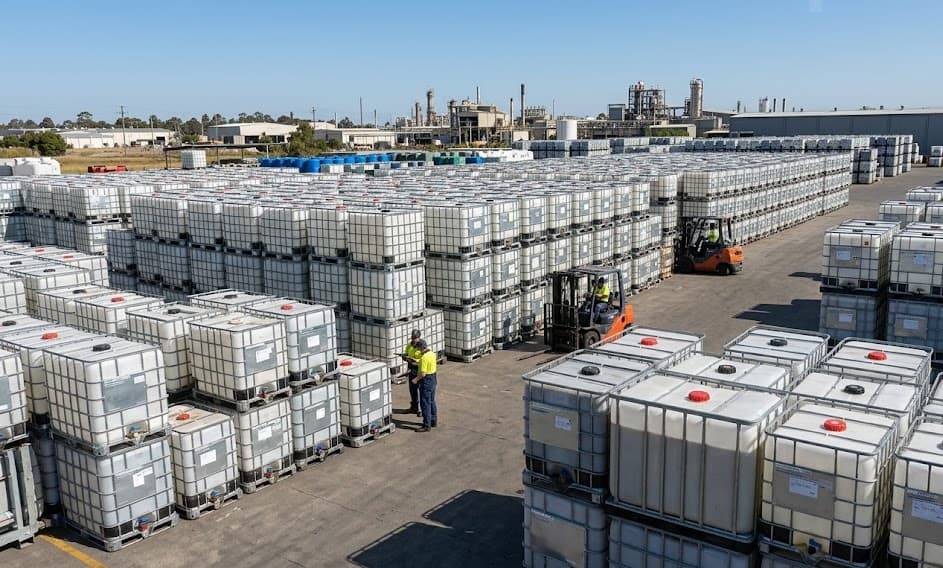
Cleveland has long been known as an industrial city, but a lesser-told story is the city's growing importance as a center for recycling and circular economy activity in Ohio. The same infrastructure that made Cleveland a manufacturing powerhouse — its transportation networks, skilled workforce, industrial real estate, and proximity to major markets — now supports a thriving recycling sector that processes millions of tons of materials annually. IBC container recycling is one thread in this broader tapestry, and understanding the local recycling landscape helps explain why Cleveland is well positioned to lead in sustainable industrial practices.
Ohio's recycling industry is substantial by any measure. The state processes billions of pounds of recyclable materials each year, supporting thousands of jobs and generating significant economic output. Ohio's central location in the Midwest, extensive highway and rail networks, and proximity to major manufacturing centers in Michigan, Indiana, Pennsylvania, and West Virginia make it a natural hub for collecting, processing, and redistributing recyclable materials. Within Ohio, the Northeast region — anchored by Cleveland — has one of the highest concentrations of recycling and waste management infrastructure in the state.
Cleveland's recycling ecosystem includes metal recyclers, plastic processors, paper and cardboard mills, glass recyclers, electronic waste handlers, and specialty recyclers for industrial materials. The city is home to some of the nation's largest scrap metal operations, which process steel, aluminum, copper, and other metals from industrial, commercial, and residential sources. This established metal recycling infrastructure is directly relevant to IBC tote recycling because the steel cages and pallet components of end-of-life totes are channeled into these local processing streams.
The plastics recycling sector in the Cleveland area has grown significantly over the past decade, driven by both market demand for recycled resins and regulatory pressure to divert plastic waste from landfills. Several facilities in the region specialize in processing HDPE — the same material used in IBC tote bottles — into pelletized recycled resin for use in pipe manufacturing, plastic lumber, automotive parts, and other applications. This local processing capacity means that HDPE bottles from recycled IBC totes can be processed regionally rather than shipped across the country, reducing the transportation emissions associated with recycling and keeping economic value within the local economy.
Cleveland's strategic location on Lake Erie and at the junction of several major interstate highways makes it an efficient collection and distribution point for recyclable materials from across the upper Midwest. Used IBC totes from manufacturing facilities, farms, and distribution centers throughout Northeast Ohio, Western Pennsylvania, and Northern West Virginia can reach Cleveland-area recyclers via short truck hauls, minimizing transportation costs and environmental impact. The same transportation networks allow reconditioned totes to be distributed efficiently to customers throughout the region.
The workforce factor is significant as well. Cleveland has a deep pool of workers with skills in manufacturing, logistics, equipment operation, and industrial maintenance — exactly the skill sets needed to operate IBC reconditioning and recycling facilities. The region's community colleges and vocational programs produce a steady supply of trained workers, and the cost of living in Cleveland makes it possible for recycling businesses to attract and retain qualified staff at competitive wages.
City and county government policies in the Cleveland area have been increasingly supportive of recycling and circular economy businesses. The Cuyahoga County Solid Waste District operates programs that help businesses reduce waste and increase recycling, including technical assistance, grant funding for recycling equipment, and connections to recycling markets. The City of Cleveland's sustainability initiatives include goals for increased waste diversion rates and support for green business development. These policy supports create a favorable operating environment for IBC recyclers and other circular economy businesses.
The broader economic context also matters. Cleveland's manufacturing sector — while smaller than its mid-20th-century peak — remains robust and diversified. Automotive suppliers, chemical manufacturers, food processors, paint and coatings companies, and polymer producers all operate in the region, and all of them use IBC totes in their supply chains. This concentration of IBC-using industries creates both a steady supply of used totes for recycling and reconditioning and a ready market for reconditioned containers. The proximity of supply and demand within a compact geographic area is a structural advantage that supports the viability of the local IBC recycling industry.
Looking forward, several trends suggest that Cleveland's role in Ohio's recycling economy will continue to grow. The expansion of extended producer responsibility legislation — which shifts the cost of end-of-life product management from municipalities to manufacturers — is creating new incentives for industrial recycling. Growing corporate sustainability commitments and ESG reporting requirements are driving demand for recycled materials and documented recycling services. And the ongoing development of advanced recycling technologies, including chemical recycling of plastics, promises to expand the range of materials that can be economically recycled.
For IBC container recycling specifically, Cleveland is well positioned to serve as a regional hub that collects used totes from across the tri-state area, reconditions the ones that can be returned to service, and recycles the rest through established local processing infrastructure. This is exactly the model that Cleveland IBC Recycling operates, and we are proud to be part of a recycling ecosystem that benefits the local economy, creates jobs, and reduces the environmental footprint of industrial activity in our region.
If your business generates used IBC totes in Northeast Ohio, Western Pennsylvania, or Northern West Virginia, we encourage you to explore the recycling options available through Cleveland's recycling infrastructure. Selling your used totes for reconditioning or recycling is better for your bottom line than paying for disposal, better for the environment than landfilling, and better for the regional economy than sending materials out of state. Contact Cleveland IBC Recycling to learn how we can help you close the loop on your IBC container lifecycle.