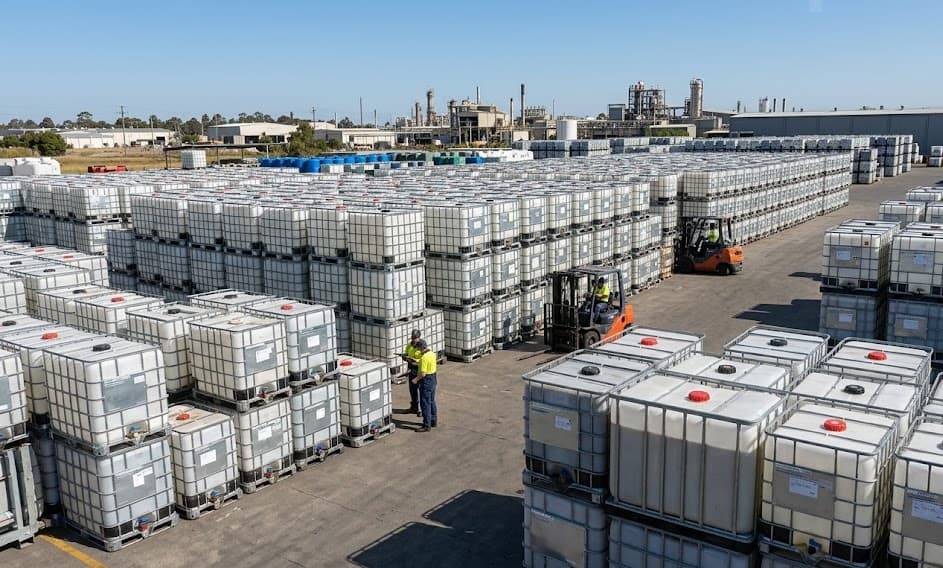
Cleaning an IBC tote properly is the single most important step in preparing it for reuse. A poorly cleaned container can contaminate its next load, create chemical reaction hazards, degrade the HDPE inner bottle, and expose your business to regulatory violations. Whether you are cleaning totes in-house or evaluating a cleaning service provider, understanding the correct process and its nuances will help you maintain safe, effective containers cycle after cycle.
Before you start cleaning, gather information about the previous contents. The cleaning protocol should be matched to the specific material that was stored in the tote. Water-based products require different cleaning agents and techniques than petroleum-based products, and food-grade cleaning demands a higher level of sanitation than industrial cleaning. Check the safety data sheet for the previous contents to identify any specific cleaning requirements, incompatible chemicals, or personal protective equipment needs.
Step 1: Personal Protective Equipment. Before handling any used IBC tote, put on appropriate PPE. At minimum, this includes chemical-resistant gloves, safety goggles or a face shield, steel-toed boots, and a chemical-resistant apron. If the previous contents were volatile or toxic, add a respirator with appropriate cartridges. Never assume a tote is safe to handle without PPE, even if it appears empty — residual vapors and liquid heels can pose inhalation and skin contact hazards.
Step 2: Drain Residual Contents. Open the bottom valve and drain any remaining product into an appropriate collection container. Do not pour residual chemicals down a drain or onto the ground. Depending on the material, the residual may need to be handled as hazardous waste under RCRA or Ohio EPA regulations. Tilt the tote slightly toward the valve to maximize drainage. For viscous materials, you may need to let the tote drain for several hours.
Step 3: Pre-Rinse. Close the valve and add 20 to 30 gallons of warm water through the top opening. Replace the cap and agitate the tote by rocking it or using a tote mixer. Open the valve and drain the rinse water into a collection container. This pre-rinse removes the bulk of residual product and reduces the chemical load on subsequent cleaning stages. For sticky or viscous products, a hot water pre-rinse at 140 to 160 degrees Fahrenheit is more effective than cold water.
Step 4: Detergent Wash. Select a cleaning agent appropriate for the previous contents. Alkaline detergents work well for fats, oils, and protein-based residues. Acidic cleaners are better for mineral deposits, rust stains, and scale. Solvent-based cleaners may be necessary for petroleum products, adhesives, or resin residues. Add the cleaning agent to warm or hot water per the manufacturer's dilution instructions, fill the tote to approximately one-third capacity, and agitate thoroughly. For best results, use a CIP (clean-in-place) spray ball inserted through the top opening — these rotating nozzles deliver high-pressure cleaning solution to every interior surface, including the hard-to-reach upper walls and corners.
Step 5: Rinse. Drain the detergent solution and rinse the tote with clean water at least twice. Each rinse should involve filling the tote partially, agitating, and draining completely. Test the final rinse water for pH, conductivity, or chemical residue to verify that the cleaning agent has been fully removed. For food-grade applications, the rinse water should match the quality of the water you would use in your production process.
Step 6: Sanitization (for food-grade applications). After the detergent wash and rinse, food-grade totes require a sanitization step. Common sanitizing agents include peracetic acid solutions, chlorine dioxide, or hot water at 180 degrees Fahrenheit or above. Apply the sanitizer per the manufacturer's instructions, ensuring full contact with all interior surfaces, then drain. Some sanitizers require a final potable water rinse; others are designed to be self-neutralizing and do not require rinsing.
Step 7: Valve and Gasket Inspection. Remove the bottom valve assembly and inspect the valve body, gasket, and threaded connection. Replace any gaskets that show signs of swelling, cracking, or chemical degradation. If the valve itself is damaged, stiff, or leaking, replace it with a new valve of the same type and thread specification. Reassemble the valve assembly and test for leaks by filling the tote with a small amount of water.
Step 8: Exterior Cleaning. Pressure wash the exterior of the tote, including the steel cage, the pallet base, and any label residue. Remove old labels and apply new ones that clearly identify the tote as cleaned and ready for reuse, along with the date of cleaning and any relevant content compatibility information.
Step 9: Drying. Allow the tote to dry completely before filling with new product. Residual moisture can promote microbial growth in food-grade applications and can dilute or contaminate certain chemical products. If time is a constraint, forced-air drying with clean, filtered air can accelerate the process. Do not cap a wet tote — trapped moisture creates conditions for mold and bacteria.
Step 10: Inspection and Documentation. Perform a final visual inspection of the interior and exterior. Look for cracks, scratches, discoloration, or odors that might indicate incomplete cleaning or material degradation. Document the entire cleaning process, including the previous contents, cleaning agents used, rinse test results, and the name of the person who performed and inspected the work. This documentation is essential for traceability and regulatory compliance.
For businesses that generate a steady volume of used totes, in-house cleaning can be cost-effective if you invest in the right equipment and training. For smaller operations or those handling diverse chemical residues, outsourcing cleaning to a professional reconditioner like Cleveland IBC Recycling is often the smarter choice. We have the equipment, chemistry expertise, and waste handling infrastructure to clean totes safely and efficiently, and we provide full documentation for every container we process.