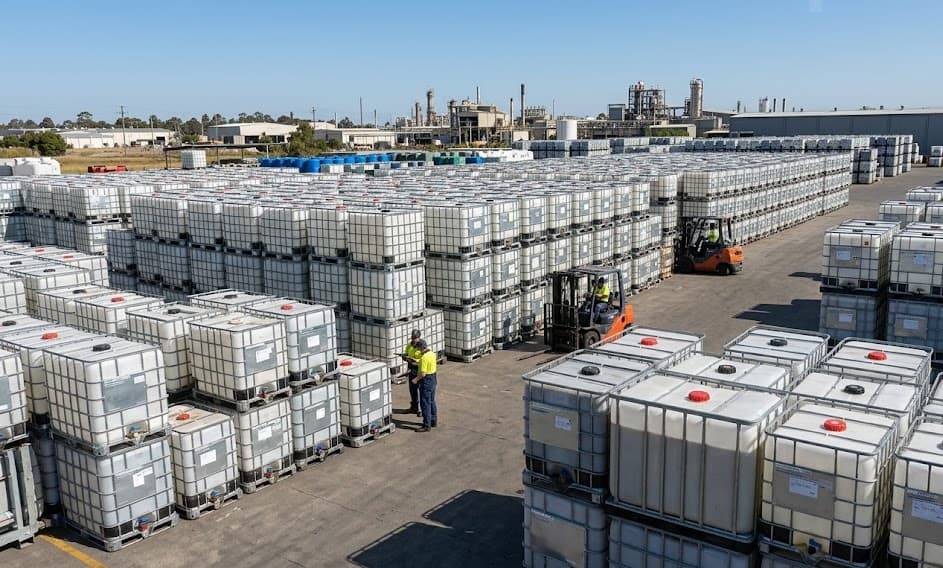
IBC totes are among the most versatile containers you can repurpose for home and garden projects. When a tote reaches the end of its useful life for liquid storage, its components — a large plastic bottle, a steel cage, and a sturdy pallet base — still have plenty of value for creative applications. The DIY community has developed an impressive array of repurposing ideas, and many of them require only basic tools and a few hours of work. Here are the most popular and practical ways to give a retired IBC tote a productive second life.
Rain Barrel System. Converting an IBC tote into a rainwater collection system is one of the most popular repurposing projects, and it is among the simplest. Start by cleaning the tote thoroughly — even if you are collecting non-potable water for garden irrigation, you want to remove any residual chemicals or organic matter. Position the tote near a downspout and connect the downspout to the tote's top opening using a downspout diverter kit or a simple funnel arrangement. The existing bottom valve serves as your dispensing point — connect a garden hose or drip irrigation line directly to the valve. For a gravity-fed system, elevate the tote on cinder blocks or a platform to increase water pressure at the hose end.
To keep the water clean, install a mesh screen over the top opening to filter out leaves, twigs, and debris. If you are concerned about mosquitoes breeding in standing water, add mosquito dunks (Bacillus thuringiensis israelensis tablets) to the water, or install a fine mesh screen that prevents mosquitoes from accessing the water surface. For expanded capacity, link multiple totes in series by connecting the overflow outlet of one tote to the inlet of the next using PVC pipe or flexible tubing.
If you want a more polished appearance, you can cut away the steel cage and paint or wrap the HDPE bottle to match your home's exterior. However, many people prefer to keep the cage intact because it provides structural support and UV protection for the plastic.
Raised Garden Bed. An IBC tote cut horizontally makes an excellent raised garden bed. Remove the steel cage, then cut the HDPE bottle in half at the desired height — most gardeners cut at about 12 to 16 inches to create a bed with adequate soil depth for vegetables, herbs, and flowers. Drill drainage holes in the bottom of the cut section, line the bottom with landscape fabric to prevent soil from washing through the drain holes, and fill with a quality garden soil mix.
The resulting raised bed is rot-proof, pest-resistant, and will last for many years in outdoor conditions. The smooth interior walls make it easy to clean between growing seasons. For a more attractive installation, surround the plastic bed with a wooden frame or stone border. Multiple beds cut from the same tote can be arranged in rows to create a productive kitchen garden in a surprisingly small footprint.
Composting Bin. IBC totes make excellent composting bins because they retain heat and moisture while the steel cage provides structural stability. To convert a tote into a composter, drill dozens of small holes (about one-quarter inch in diameter) around the sides and bottom of the HDPE bottle to provide the airflow that aerobic composting organisms need. Cut a large access opening in the top for adding kitchen scraps, yard waste, and other compostable materials, and create a smaller access door near the bottom for removing finished compost.
The bottom valve can serve as a compost tea drain — liquid that percolates through the compost collects at the bottom and can be drained periodically for use as a liquid fertilizer. The enclosed design keeps animals out and retains the heat generated by microbial decomposition, which accelerates the composting process compared to an open pile.
Aquaponics System. The aquaponics community has made the IBC tote a standard building block for DIY growing systems. The most common design cuts the tote into two sections. The bottom portion — approximately two-thirds of the original height — becomes the fish tank. The top portion, inverted and placed above the fish tank on a frame, becomes the grow bed. A small water pump circulates water from the fish tank up to the grow bed, where it irrigates plants growing in a gravel or clay pebble medium. The plants absorb nutrients from the fish waste, and the filtered water drains back into the fish tank.
This self-contained ecosystem can produce both vegetables and fish protein in a remarkably small space. A single IBC-based aquaponics system can sustain 20 to 30 tilapia or similar fish and several square feet of growing area for lettuce, herbs, tomatoes, and other crops. The system requires a water pump, an air pump for fish oxygenation, and grow media, but the total cost is a fraction of commercial aquaponics kits.
Livestock Water Trough. For rural properties and small farms, a cut-down IBC tote makes a durable, inexpensive livestock water trough. Cut the bottle to the appropriate height for your animals — about 24 inches for cattle, 18 inches for horses, and 12 inches for sheep and goats. The steel cage provides protection against animals pushing or stepping on the trough, and the HDPE material resists algae growth better than metal troughs. Add a float valve connected to a water supply line for automatic refilling, or use the tote as a simple manual-fill trough.
Firewood Storage Rack. The steel cage from an IBC tote, with the plastic bottle and pallet base removed, makes an excellent firewood storage rack. The cage provides a rigid framework that holds a full cord of split firewood off the ground and organized for easy access. Add a tarp or sheet metal roof to keep rain and snow off the woodpile. The cage's galvanized steel resists rust and will last for years in outdoor conditions.
Outdoor Shower or Wash Station. Fill a clean IBC tote with water and connect a showerhead to the bottom valve for a gravity-fed outdoor shower. This is popular at campsites, beach properties, hunting cabins, and farms where a convenient outdoor wash station adds comfort and utility. For warm water, place the tote in direct sunlight during the day — the black HDPE bottle absorbs solar radiation and can heat water to surprisingly comfortable temperatures on sunny days. For a more consistent warm shower, paint the bottle flat black to maximize solar absorption.
Practical Tips for All Repurposing Projects. Regardless of the project, start by cleaning the tote thoroughly. Use a food-grade reconditioned tote if the repurposed application involves potable water, food production, or animal watering. Always cut HDPE with appropriate tools — a reciprocating saw with a fine-tooth blade works well — and sand or file cut edges to remove sharp burrs. Wear safety glasses and gloves when cutting and drilling. If you remove the cage, save the steel for scrap recycling or use it as a trellis frame, tomato cage, or fencing material.
Cleveland IBC Recycling sells Grade C totes at budget-friendly prices that are perfect for repurposing projects. We can also supply food-grade totes for applications involving drinking water or food production. Stop by our Cleveland facility to pick up a tote and start your next project.